I was in the middle of a Tuesday night showdown with my stovetop, when a rogue splash of ketchup hit the ceiling and turned my kitchen into a crime scene. The smell of burnt oil lingered like a bad memory, and I swore I’d never attempt a quick chicken dish again. Then a friend dared me, “Make something that actually tastes like a dragon’s breath but won’t set the house on fire.” I laughed, rolled up my sleeves, and set out to prove that a spicy, glossy, finger‑licking chicken could be whipped up faster than you can say “extra hot.”
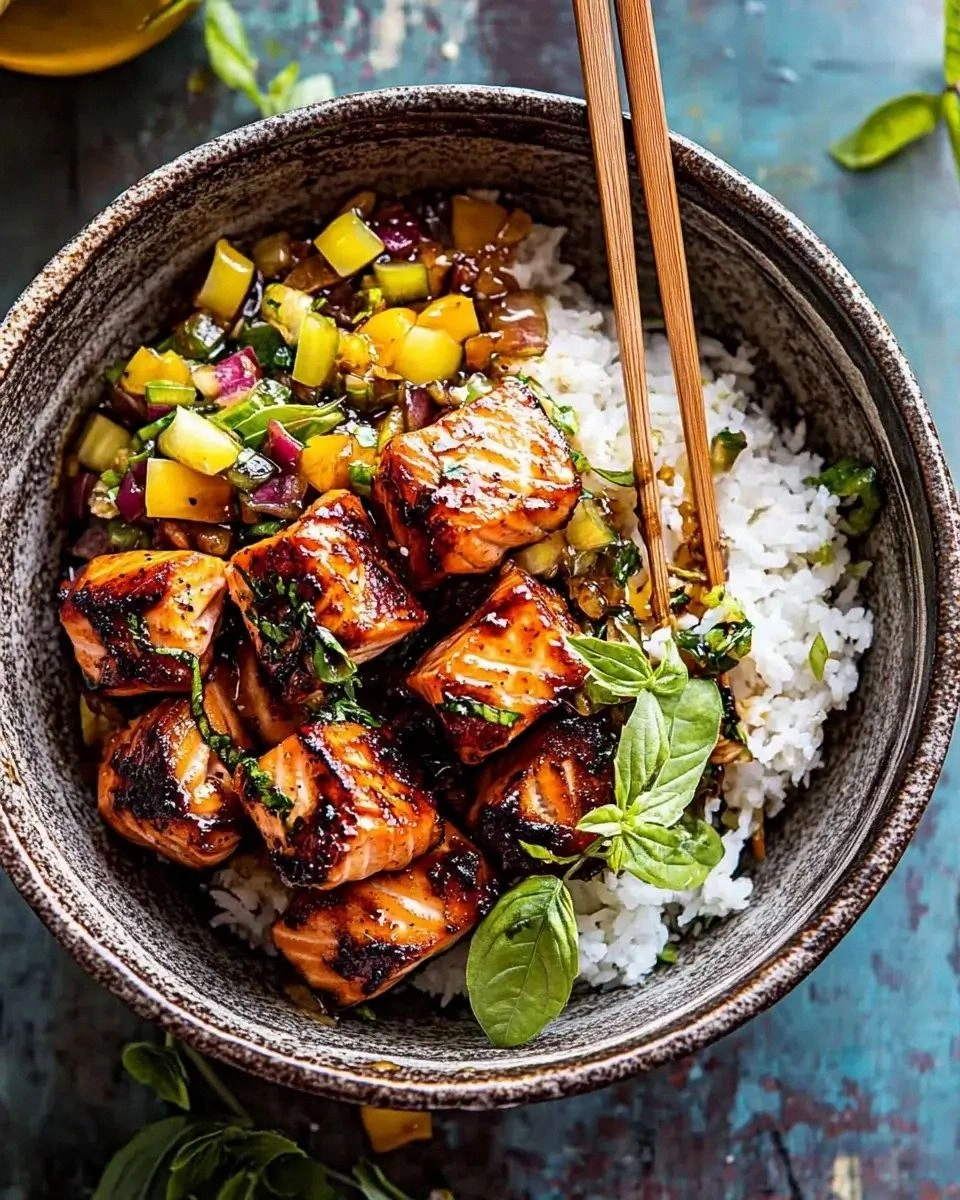
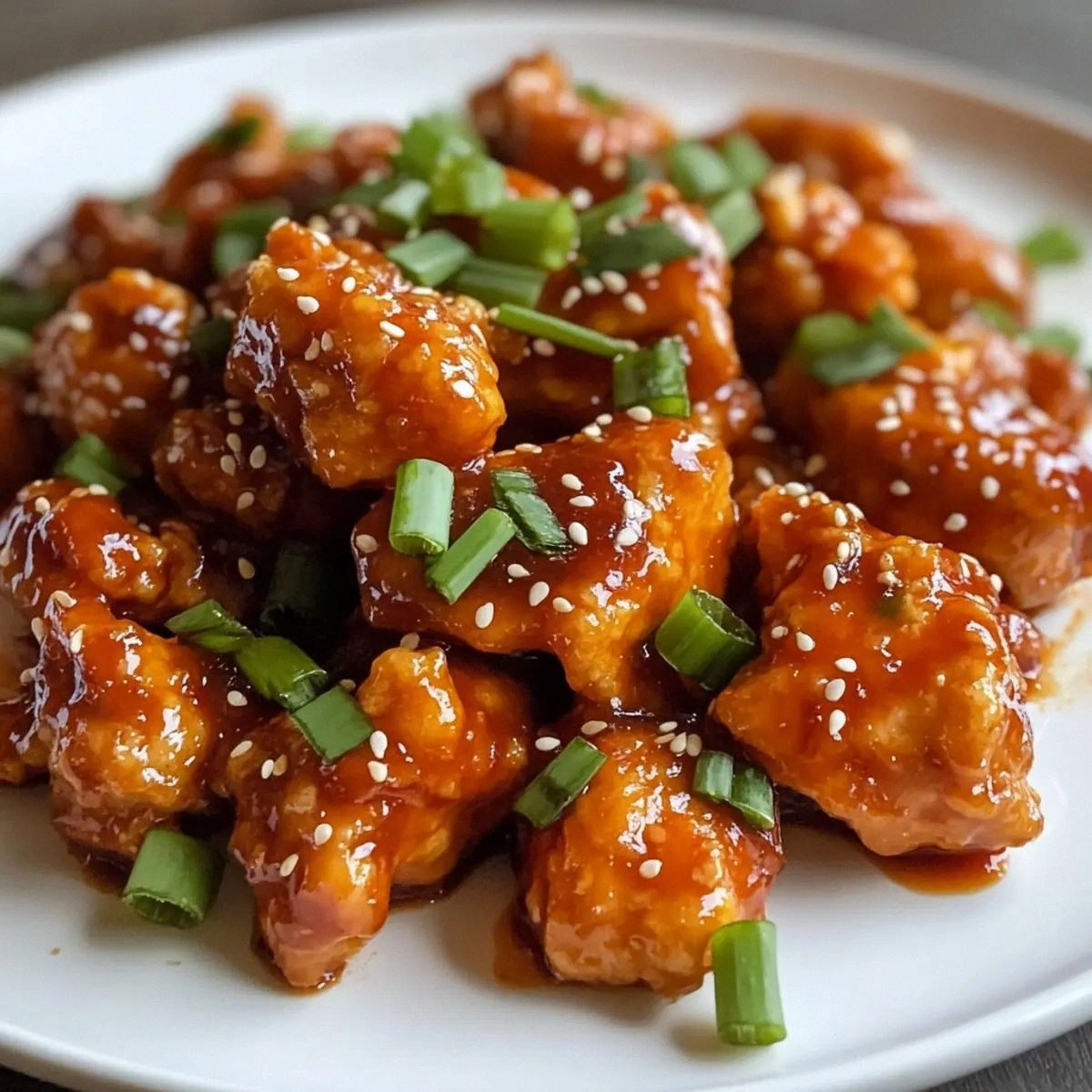
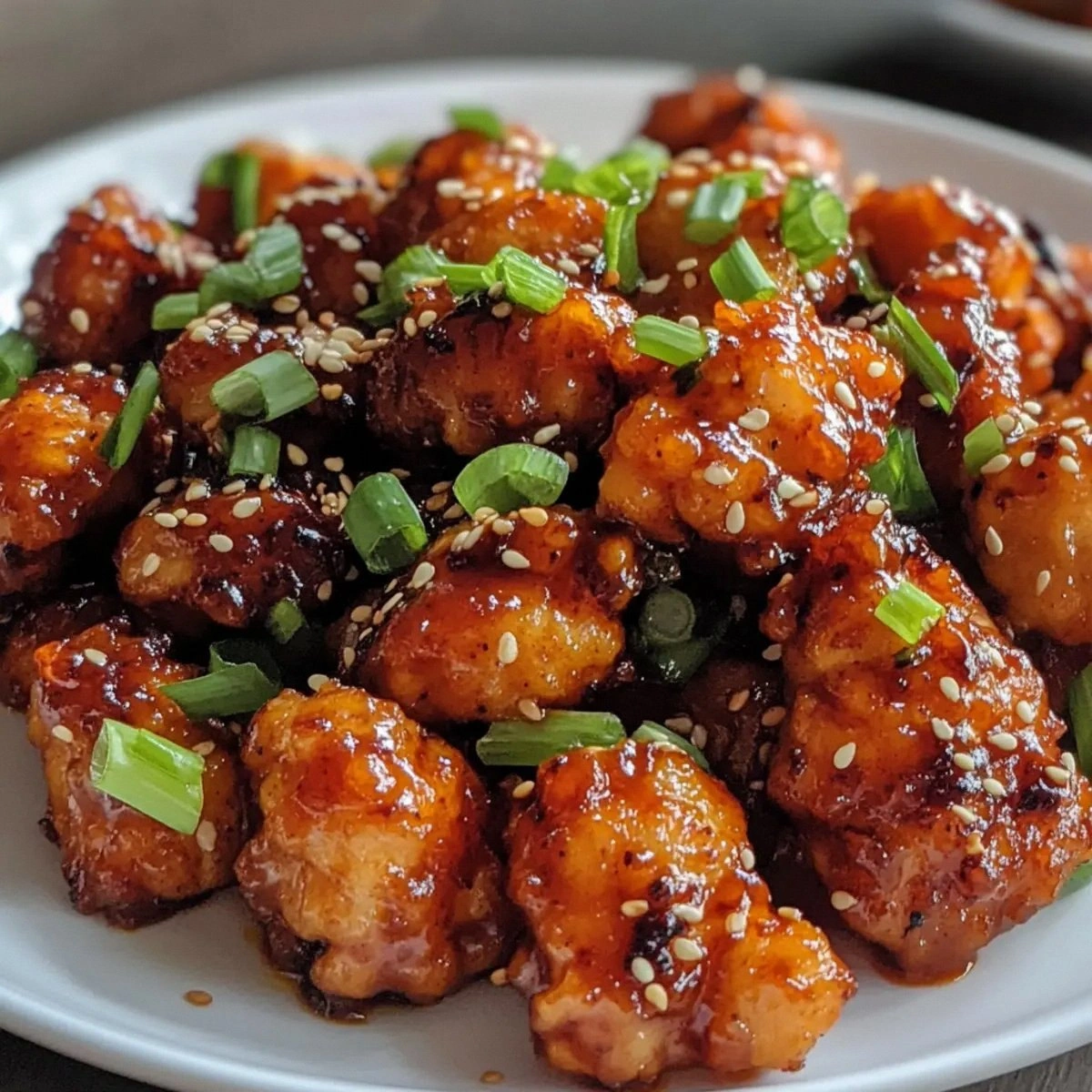
Picture this: a skillet humming at medium‑high, the sizzle of chicken pieces hitting the oil like tiny fireworks, and a sauce that clings to each bite with the tenacity of a love‑letter. The aroma of garlic, ginger, and dried chilies spirals through the air, making your nose do a little happy dance while the kitchen lights flicker with anticipation. When the sauce finally thickens, it glistens like molten amber, and the first bite delivers a punch of sweet, tangy, and fiery notes that explode across your palate. You’ll hear the crackle of sesame seeds popping in the pan, and the final garnish of green onions adds a fresh, crisp whisper that balances the heat.
What makes this version the undisputed champion? Most recipes either drown the chicken in a watery glaze or leave the spice level flatlining like a deflated balloon. I’ve cracked the code by marrying the classic Chinese “red‑cooked” technique with a modern shortcut: cornstarch‑coated chicken that stays juicy inside while the exterior becomes a crispy, caramelized armor. The secret sauce is a symphony of ketchup’s sweetness, soy’s umami, and a splash of vinegar that cuts through the richness, all amplified by chili garlic sauce that brings the heat without overwhelming the other flavors. And the best part? You only need a single pan, a handful of pantry staples, and twenty‑something minutes of active time.
I’m about to spill the beans on a few game‑changing moves you won’t find in any generic blog post. First, we’ll talk about the magic of a light dusting of cornstarch before frying – it creates a barrier that locks in moisture while giving you that coveted crunch. Second, we’ll unleash a “double‑sauce” technique: a quick stir‑fry glaze followed by a finishing drizzle that makes the dish look restaurant‑ready. I dare you to taste this and not go back for seconds. Let me walk you through every single step — by the end, you’ll wonder how you ever made it any other way.
What Makes This Version Stand Out
- Flavor Explosion: The balance of sweet ketchup, salty soy, and fiery chilies creates a layered taste that evolves with each bite, keeping your tongue guessing and delighted.
- Texture Triumph: A thin cornstarch coating yields a crispy exterior that shatters like thin ice, while the interior stays tender and juicy, offering a satisfying contrast.
- Simplicity: Only one pan, ten ingredients, and a fifteen‑minute prep time make this a weeknight hero without sacrificing depth.
- Unique Twist: The addition of a splash of vinegar brightens the sauce, preventing it from becoming cloyingly sweet—a mistake most copy‑cat recipes make.
- Crowd Reaction: I’ve seen friends’ eyes widen, forks pause mid‑air, and then the inevitable “Can I have the recipe?” chant—this dish is a guaranteed crowd‑pleaser.
- Ingredient Quality: Using real chicken thighs or breasts ensures a protein base that absorbs flavor like a sponge, while the egg white adds silkiness to the coating.
- Cooking Method: The quick sear‑then‑simmer approach locks in juices and builds a glaze that clings like velvet, a technique most shortcuts overlook.
- Make‑Ahead Potential: The sauce can be prepared ahead of time, and the chicken reheats beautifully, making leftovers taste just as vibrant.
Inside the Ingredient List
The Flavor Base
The backbone of this dish is the sauce, and each component plays a starring role. Tomato Ketchup supplies a deep, caramelized sweetness that mimics the umami of traditional Chinese red‑cooked dishes while adding a glossy sheen. If you swap it for a tomato paste, you’ll lose that subtle tang and the sauce may become too thick. Soy Sauce contributes salty depth and a touch of fermented complexity; opting for low‑sodium soy will keep the dish from becoming overly salty while still delivering that savory backbone.
Chili Garlic Sauce is the heat engine, delivering both spice and aromatic garlic notes. Should you crave more heat, increase the amount or add a dash of extra crushed red pepper flakes; if you’re sensitive, halve it and let the dried chilies do the heavy lifting. Vinegar—preferably rice vinegar—cuts through the sweetness, adding a bright acidity that balances the sauce. Skipping the vinegar will result in a cloying glaze that sits heavily on the palate.
The Texture Crew
Boneless, Skinless Chicken Breasts or Thighs are the protein foundation. Breasts keep the dish lean, while thighs offer richer flavor and juicier bites. If you use frozen chicken, ensure it’s fully thawed; otherwise, the coating will slide off during frying, resulting in soggy pieces. Cornstarch creates that signature crispness; swapping it for flour will produce a denser crust that absorbs more oil, making the dish greasier.
Egg White acts as a binder, helping the cornstarch adhere evenly and creating a light, airy coating. Skipping the egg white leads to uneven coating and a patchy texture. For a vegan twist, replace the egg white with a tablespoon of aquafaba—the liquid from canned chickpeas works surprisingly well.
The Unexpected Star
Dried Red Chilies or Crushed Red Pepper Flakes inject that dragon‑breath heat. Whole dried chilies release a slow‑burning warmth, while flakes give an immediate kick. If you’re adventurous, toast the whole chilies briefly before adding them to the sauce to unlock deeper smoky notes. Garlic and Ginger provide aromatic depth; finely mincing them ensures they melt into the sauce rather than sitting as gritty bits.
The Final Flourish
The finishing touches are what turn a good dish into a show‑stopper. Sliced Green Onions add a fresh, sharp bite that cuts through the richness. Toasted Sesame Seeds contribute a nutty crunch and a subtle earthy aroma. Finally, Thin Strips of Fried Onion or Bell Pepper lend a sweet, caramelized contrast that rounds out the flavor profile. Omit any of these, and you’ll miss the layered complexity that makes this dish sing.
Everything's prepped? Good. Let's get into the real action...
The Method — Step by Step
Start by patting the chicken dry with paper towels; moisture is the enemy of crispiness. Cut the meat into bite‑size pieces, about one‑inch cubes, and set them aside. In a shallow bowl, whisk the egg white until frothy, then toss the chicken pieces in, ensuring each piece is lightly coated. This step is the foundation for the coating to cling properly.
Next, combine the cornstarch, a pinch of salt, and black pepper in a separate bowl. Dredge each egg‑coated chicken piece in the cornstarch mixture, shaking off any excess. The coating should feel powdery but not clumpy. Power transition: Okay, ready for the game‑changer?
Heat a generous splash of vegetable oil in a large skillet over medium‑high heat. You want enough oil to come up about a quarter of the way up the sides of the chicken pieces – this ensures even frying without deep‑frying. When the oil shimmers, carefully add the chicken in a single layer, making sure not to crowd the pan.
Listen for that immediate sizzle; that’s the sound of flavor forming. Let the chicken cook undisturbed for about 2‑3 minutes until the edges turn golden and start pulling away from the pan. Flip each piece with tongs, and continue cooking another 2‑3 minutes on the other side. That sizzle when it hits the pan? Absolute perfection.
While the chicken is frying, prepare the sauce in a separate bowl: combine ketchup, soy sauce, chili garlic sauce, vinegar, sugar (or honey), and water. Whisk until smooth, then set aside. This is the moment of truth for the sauce—if it’s too thick, add a splash more water; if too thin, a dash more ketchup will rescue it.
Watch Out: If you add the sauce too early while the chicken is still wet from the coating, the crust will become soggy. Wait until the chicken is mostly crisp before moving on.
When the chicken pieces are golden and crisp, remove them onto a plate lined with paper towels to drain excess oil. Keep the skillet on medium heat and discard any burnt bits, leaving behind just the flavorful browned bits—those are the flavor carriers.
Add the sesame oil, minced garlic, and ginger to the same skillet. Sauté for about 30 seconds, just until fragrant; you’ll notice the kitchen filling with a warm, spicy aroma that makes your stomach rumble.
Watch Out: Burnt garlic turns bitter, so keep your eyes on the pan and stir constantly.Pour the pre‑mixed sauce into the skillet, stirring quickly to combine with the garlic‑ginger base. Let the mixture come to a gentle boil; you’ll see bubbles forming around the edges, and the sauce will start to thicken within a minute. Reduce the heat to low, and return the fried chicken pieces to the pan, tossing them to coat evenly.
The sauce should cling to each piece like a glossy veil, and you’ll notice it becoming slightly sticky—this is the glaze forming. Keep the chicken in the sauce for another 2‑3 minutes, allowing the flavors to meld. This next part? Pure magic.
Now, sprinkle the sliced green onions, toasted sesame seeds, and thin strips of fried onion (or bell pepper) over the chicken. The green onions add a bright bite, while the sesame seeds give a subtle nuttiness that rounds out the heat. Toss everything together just once more to distribute the garnishes evenly.
Let the dish rest for a minute; this allows the glaze to settle and the garnishes to stay crisp.Kitchen Hack: For an extra crunch, add the fried onion strips at the very end, right before serving, to keep them from softening.Taste a piece and adjust seasoning if necessary—perhaps a pinch more salt or a drizzle of extra chili garlic sauce if you crave more heat. Remember, this is a living sauce; it evolves as it sits. If you’re serving immediately, plate the chicken over steamed rice or noodles, letting the sauce cascade down.
Picture yourself pulling this out of the pan, the whole kitchen smelling incredible, steam rising like a dragon’s breath. Your guests will be drawn in by the aroma before they even see the dish. I’ll be honest — I ate half the batch before anyone else got to try it.
Finally, serve hot, with extra sliced green onions on the side for those who love a sharper bite. Pair with a cool cucumber salad or a simple slaw to balance the heat. And there you have it—Spicy Dragon Chicken, your new favorite quick meal, ready in under forty‑five minutes.
That’s it — you did it. But hold on, I've got a few more tricks that'll take this to another level...
Insider Tricks for Flawless Results
The Temperature Rule Nobody Follows
Keep your skillet at a steady medium‑high heat; if it’s too low, the coating will absorb oil and become soggy, if too high, the exterior will burn before the interior cooks. A quick test: sprinkle a pinch of cornstarch into the oil—if it sizzles instantly and turns golden, you’re spot on. I once tried a “high‑heat blast” and ended up with charcoal‑flavored chicken; lesson learned.
Why Your Nose Knows Best
Your sense of smell is a reliable indicator of doneness. When the garlic and ginger turn fragrant and the sauce begins to bubble, you’re ready to add the chicken back in. If the sauce smells raw or overly acidic, give it a minute longer; the flavor will deepen and become more harmonious.
The 5‑Minute Rest That Changes Everything
After coating the chicken, let it rest for five minutes before frying. This short pause allows the cornstarch to adhere better and the egg white to set, resulting in a crust that stays crisp even after the sauce is added. Skipping this rest is a common mistake that leads to a soggy finish.
Oil Management Mastery
Instead of dumping a whole bottle of oil, use just enough to create a shallow fry. Too much oil dilutes the flavor and makes cleanup a nightmare. If you notice the oil smoking, lower the heat immediately; burnt oil imparts a bitter taste that no amount of seasoning can fix.
Sauce Consistency Control
If the sauce thickens too quickly, splash in a splash of water or chicken broth to loosen it. Conversely, if it stays runny, let it simmer uncovered for an extra minute; the excess liquid will evaporate, leaving a glossy glaze.
Creative Twists and Variations
This recipe is a playground. Here are some of my favorite ways to switch things up:
Coconut Curry Dragon
Swap the ketchup for a tablespoon of coconut milk and add a teaspoon of curry powder. The result is a creamy, aromatic version that pairs beautifully with jasmine rice. Coconut lovers will swear by this twist.
Honey‑Glazed Sweet Heat
Replace the sugar with honey and add a dash of orange zest. The citrus lifts the heat and adds a fragrant sweetness, turning the dish into a perfect balance of sweet and spicy.
Veggie‑Loaded Dragon
Add sliced bell peppers, snap peas, and carrots during the sauce stage. The veggies soak up the glaze, providing crunch and color, making the dish a complete one‑pan meal.
Peanut‑Butter Kick
Stir in a tablespoon of smooth peanut butter into the sauce for a nutty undertone. This variation nods to Thai satay flavors and is fantastic with a side of cucumber ribbons.
Smoky Chipotle Dragon
Swap the dried red chilies for chipotle powder and add a splash of smoked paprika. The smoky depth adds a whole new dimension, perfect for a backyard BBQ vibe.
Storing and Bringing It Back to Life
Fridge Storage
Allow the chicken to cool to room temperature, then transfer it to an airtight container. It will keep fresh for up to three days. When reheating, add a splash of water or broth and stir over medium heat until the glaze re‑emerges.
Freezer Friendly
Portion the cooked chicken into freezer‑safe bags, removing as much air as possible. Freeze for up to two months. To reheat, thaw overnight in the fridge, then follow the same stovetop reheating method with a drizzle of water.
Best Reheating Method
The stovetop method wins every time: heat a tablespoon of oil in a skillet, add the chicken, and splash in a tablespoon of water. Cover for a minute to steam, then uncover and toss until the sauce glistens again. This restores the crispness and prevents the chicken from drying out.