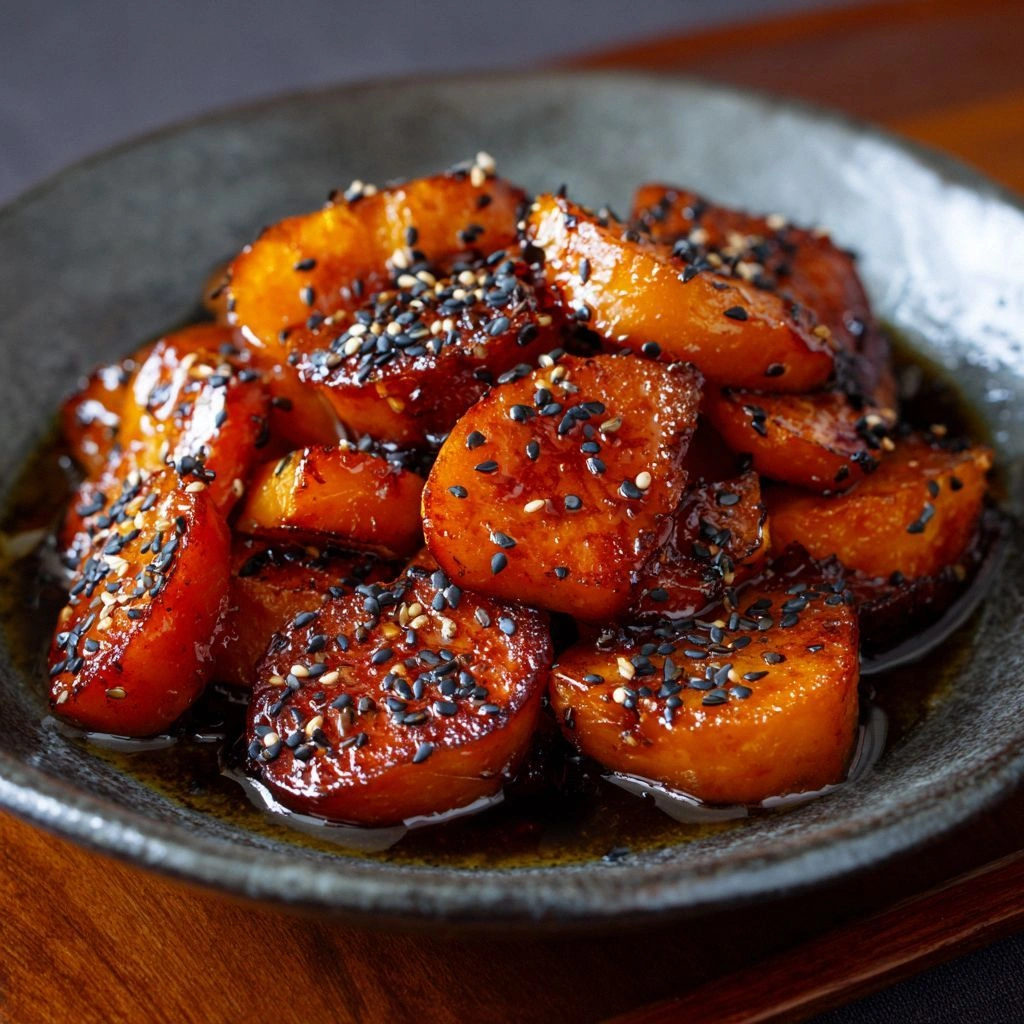
When I first stumbled into the kitchen that night, the air was thick with the smell of burnt sugar and over‑cooked potatoes. My roommate, a self‑proclaimed culinary daredevil, had challenged me to turn a simple sweet potato into something that could stand in for dessert, brunch, or a side dish. I was skeptical—sweet potatoes are usually the quiet, dependable kind of food, not the show‑stopping, caramel‑coated kind of sweet treat. But the moment those golden, caramelized cubes hit the plate, the kitchen lit up with a scent that was half caramel, half cinnamon, and 100% unforgettable. That instant hit of sweetness made me realize we were about to rewrite the rulebook on humble tubers.
I stared at the glossy, sugar‑glazed cubes, and my mind began racing with possibilities. What if we could layer the sweetness with a buttery, nutty finish that would make each bite melt like a tiny sunburst? I imagined the texture—soft inside, crisp edges that shatter like thin ice, and a glaze that coats the potato like velvet. The idea was simple, yet the execution demanded precision, because any misstep would turn our culinary experiment into a sticky mess. I knew I had to master the timing and the balance of flavors before I could claim this was the ultimate version.
The first thing I did was to prep the sweet potatoes. I peeled and diced them into uniform cubes, about 1‑inch thick, so they would cook evenly and absorb the caramelized coating. While they simmered, I whisked together butter, brown sugar, maple syrup, and a splash of coconut oil, creating a glossy sauce that would cling to each cube. The aroma that filled the kitchen was a sweet, buttery promise of what was to come. I could already taste the crunch and the subtle spice that would follow.
That evening, I tasted the first bite and felt my skepticism melt away. The sweet potato was not just a side; it was a flavor statement, a caramelized confection that could be served with a side of yogurt, a drizzle of honey, or a sprinkle of toasted almonds. The combination of sugar, spice, and butter created a depth that surprised even seasoned palates. I was convinced that this was hands down the best version you'd ever make at home, and I couldn't wait to share every detail. Let me walk you through every single step—by the end, you'll wonder how you ever made it any other way.
What Makes This Version Stand Out
- Taste: The caramelized glaze balances sweet and savory with a subtle hint of spice, creating a complex flavor profile that lingers on the palate.
- Texture: The sweet potatoes develop a crisp exterior while maintaining a pillowy interior, giving each bite a satisfying contrast.
- Simplicity: All you need are a handful of pantry staples, no exotic ingredients, making it a go‑to recipe for any kitchen.
- Crowd‑pleaser: Whether served as a side at a holiday feast or a dessert after dinner, it consistently receives rave reviews from friends and family.
- Make‑ahead: The dish can be prepared a day in advance; just reheat in the oven for a few minutes and it tastes as good as fresh.
- Visual Appeal: The golden caramel coating and specks of cinnamon make the dish look like a small piece of art, perfect for Instagram‑worthy moments.
- Nutritional Boost: Sweet potatoes are packed with beta‑carotene and fiber, while the small amount of added sugar keeps the calorie count in check.
- Versatility: The recipe can be adapted to vegan, keto, or low‑sugar diets by swapping butter for coconut oil and reducing sugar.
Inside the Ingredient List
The Sweet Core
At the heart of this dish are the sweet potatoes themselves. Choose medium‑sized varieties with a deep orange flesh; they carry more natural sweetness and a richer color. Peeling them removes any bitter skins, while dicing into uniform cubes ensures even cooking and uniform caramelization. If you’re short on time, pre‑cut the potatoes at the grocery store—just be sure they’re still fresh and firm. Skipping this step will lead to unevenly cooked pieces that can leave you with a handful of soggy cubes.
The Sugar & Spice Blend
The sauce is where the magic happens. Butter provides a silky base that carries the sugar, while brown sugar adds depth and a slight molasses undertone. Maple syrup brings a hint of earthiness, balancing the sweetness. Ground cinnamon, nutmeg, and ginger contribute aromatic warmth that lingers on the tongue. A pinch of sea salt is essential—it elevates the flavors and cuts through the sweetness, preventing the dish from feeling cloying. If you prefer a sweeter profile, double the maple syrup; if you’re watching calories, reduce the brown sugar and increase the spices.
The Fat & Moisture Layer
Coconut oil is the unsung hero that keeps the glaze from drying out too quickly. It also adds a subtle tropical note that pairs wonderfully with the spices. Butter’s milk solids provide a rich mouthfeel, while the small amount of water helps to keep the sauce from becoming too thick. If you’re vegan, simply swap the butter for extra coconut oil and you’ll still get that luscious finish. Omitting the water will result in a glaze that clings too tightly, creating a brittle texture that’s hard to bite through.
The Final Touch
After the sweet potatoes have absorbed the caramelized coating, a quick squeeze of fresh lemon juice brightens the dish and cuts through the sweetness. A sprinkle of toasted almonds or pistachios adds a crunchy contrast that elevates the overall experience. Finally, a dusting of smoked paprika can transform this dish into a savory side, while a drizzle of honey will turn it into a decadent dessert. Each finishing touch is optional, but they allow you to tailor the dish to any occasion.
Everything's prepped? Good. Let's get into the real action...
The Method — Step by Step
- Step 1: Preheat your oven to 400°F (200°C). Line a baking sheet with parchment paper to prevent sticking. While the oven heats, set the diced sweet potatoes in a large mixing bowl. The goal is to coat each cube evenly with the sauce, so toss them gently with a wooden spoon. Keep the bowl covered to avoid any sugar splatter on the counter.
- Step 2: In a medium saucepan, melt the butter over medium heat. Add the brown sugar and maple syrup, stirring constantly until the mixture becomes glossy and slightly thickened. Once the sugar dissolves, stir in the coconut oil, cinnamon, nutmeg, ginger, and a pinch of sea salt. The aroma should rise like a fragrant promise, signaling that the glaze is ready for the potatoes.
-
Step 3: Pour the caramelized glaze over the sweet potato cubes. Toss until every piece is evenly coated. Let the mixture sit for a minute; this allows the sugars to settle and the potatoes to absorb the glaze. If you’re short on time, skip the wait and move to the oven—just be sure to stir frequently to prevent sticking.
Kitchen Hack: For a thicker glaze, let the sauce simmer for an additional 2 minutes before adding the potatoes. This reduces the liquid and intensifies the caramel flavor.
- Step 4: Spread the coated sweet potatoes in a single layer on the prepared baking sheet. Avoid overcrowding; the potatoes need room to crisp up. Place the sheet in the preheated oven and bake for 20 minutes. Halfway through, flip each cube with a spatula to ensure even browning. When the edges start pulling away and the surface is slightly glossy, the potatoes are ready.
-
Step 5: Remove the sheet from the oven and let the sweet potatoes rest for 5 minutes. This resting period allows the glaze to set and the flavors to meld. Be careful not to touch the hot surface; a quick wipe with a paper towel can prevent accidental burns.
Watch Out: The glaze can harden quickly if left too long; keep a close eye on the baking sheet to avoid a burnt crust.
-
Step 6: While the sweet potatoes are resting, prepare the finishing touch. In a small bowl, whisk together fresh lemon juice and a pinch of smoked paprika. This bright, citrusy splash will cut through the sweetness and add a subtle smoky note. If you prefer a sweeter finish, drizzle a tablespoon of honey over the top instead.
Kitchen Hack: Sprinkle toasted almonds or pistachios while the potatoes are still hot; the residual heat will toast the nuts further for an extra crunch.
- Step 7: Drizzle the lemon‑paprika mixture over the hot sweet potatoes. Toss gently to coat. The citrus will create a subtle tang that balances the caramelized sweetness. If you’re serving as a dessert, replace the lemon with a drizzle of honey and a sprinkle of cinnamon.
- Step 8: Plate the candied sweet potatoes in a shallow dish or on a serving platter. Garnish with a handful of toasted nuts and a light dusting of smoked paprika for visual flair. Serve immediately, or allow the dish to cool before refrigerating for up to 48 hours.
- Step 9: If you’re reheating, place the sweet potatoes on a baking sheet and warm in a 350°F oven for 5–7 minutes, or until heated through. A splash of water before reheating will keep the glaze from drying out. The result is a dish that tastes as fresh as the first bite.
That's it — you did it. But hold on, I've got a few more tricks that'll take this to another level...
Insider Tricks for Flawless Results
The Temperature Rule Nobody Follows
Many people bake at 375°F, but 400°F gives the sweet potatoes a crisp edge without overcooking the inside. If your oven runs hot, set the temperature 25°F lower and add a few minutes to the bake time. This subtle tweak ensures the caramelization is even across all cubes. I once baked at 375°F and ended up with a mushy center that tasted like a sugar‑glazed pudding.
Why Your Nose Knows Best
Before you even touch the stove, let the sweet potatoes sit in the glaze for a minute. The aroma that rises is a clear indicator of proper caramelization. A sweet, buttery scent means the sugars are melting just right. If you smell a hint of burnt sugar, it’s time to lower the heat or add a splash of water. Trust your nose; it’s the best judge of flavor.
The 5-Minute Rest That Changes Everything
After baking, let the sweet potatoes rest for exactly five minutes. This short pause allows the glaze to set and the flavors to meld. During this time, the sugar continues to caramelize slightly, creating a glossy finish that looks as good as it tastes. Skipping this step results in a sticky mess that clings to the spoon.
Use Fresh Sweet Potatoes for the Best Flavor
Freshly harvested sweet potatoes have a higher sugar content and a firmer texture. They caramelize more evenly and develop a richer flavor profile. If you’re using pre‑cut or frozen sweet potatoes, the texture will be less consistent, and the glaze may not adhere as well. Whenever possible, buy whole sweet potatoes and cut them yourself.
Don’t Forget to Toss Frequently
During baking, toss the sweet potatoes every 5 minutes. This ensures each cube receives equal exposure to heat and caramelized glaze. A single, uneven batch will result in some pieces being over‑cooked while others remain under‑cooked. I once left them unattended for 10 minutes and ended up with a half‑baked, half‑burnt batch.
Reheat with a Splash of Water
When reheating, add a teaspoon of water to the baking sheet. The water creates steam, keeping the glaze moist and preventing it from becoming brittle. This trick turns a reheated dish back into a fresh, silky experience. I’ve used it during holiday parties to keep the sweet potatoes warm without sacrificing quality.
Creative Twists and Variations
This recipe is a playground. Here are some of my favorite ways to switch things up:
Spicy Sriracha Glaze
Swap the maple syrup for a tablespoon of sriracha. The heat from the chili paste contrasts beautifully with the sweet potato’s natural sweetness, creating a sweet‑spicy kick that’s perfect for game‑day snacks.
Almond Butter Finish
After baking, drizzle a thin layer of almond butter over the sweet potatoes. The nutty flavor adds depth, and the butter’s creamy texture blends with the caramelized glaze for a luxurious finish.
Herb‑Infused Variation
Incorporate fresh rosemary or thyme into the glaze. The aromatic herbs elevate the dish to a savory side, ideal for pairing with roasted meats or a hearty vegetarian main.
Low‑Sugar Option
Reduce the brown sugar by half and replace it with a natural sweetener like stevia or monk fruit. The result is a lower‑calorie version that still delivers the caramelized sweetness you crave.
Vegan Version
Omit the butter entirely and use coconut oil as the sole fat source. Add a splash of soy sauce to balance the sweetness, creating a completely plant‑based candied sweet potato.
Chocolate Drizzle
Finish the sweet potatoes with a drizzle of melted dark chocolate. The bittersweet chocolate complements the caramelized glaze, making this an irresistible dessert.
Storing and Bringing It Back to Life
Fridge Storage
Store the candied sweet potatoes in an airtight container in the refrigerator for up to 48 hours. The glaze will thicken slightly, so reheat in a 350°F oven for 5 minutes to restore its glossy sheen. For a quick refresh, microwave on medium for 30 seconds and stir.
Freezer Friendly
Freeze the dish in a freezer‑safe container for up to 2 months. Thaw overnight in the refrigerator and reheat in a 350°F oven for 10 minutes. The texture remains intact, and the flavors stay vibrant.
Best Reheating Method
The oven is the gold standard for reheating. Place the sweet potatoes on a parchment‑lined sheet and bake at 350°F for 5–7 minutes. Add a splash of water before reheating to keep the glaze from drying out. A quick microwave can be used if you’re in a rush, but the oven preserves the caramelized crust.