It started with a kitchen catastrophe that would have made a seasoned chef weep—my attempt at a quick “healthy” stir‑fry that turned into a soggy disaster. I had tossed a handful of fresh zucchini, a handful of shrimp, and a splash of soy sauce into a pan, only to find the noodles mushy and the shrimp overcooked. I stared at the steaming, flavorless mess, feeling the frustration that comes from a recipe that just doesn’t work. That moment became the spark that ignited this new, low‑carb Pad Thai that I’m about to reveal.
Picture the sizzling sound as the oil hits the pan—an audible promise of flavor. The aroma of garlic and ginger rises, mingling with the sweet tang of tamarind and the umami depth of fish sauce. You can see the bright green zucchini noodles shimmering, the shrimp turning from translucent to a rosy pink, and the bright green bean sprouts popping in. The texture is a dance of crispness and tenderness, with a sauce that clings like velvet. I can almost taste the burst of citrus from lime wedges, the crunch of crushed peanuts, and the subtle heat of sriracha. It’s a symphony of flavors that feels both exotic and comfortingly familiar.
What makes this version stand out is that it’s not just a healthier take on Pad Thai; it’s a complete re‑imagining that keeps every element of the classic intact while eliminating the carb overload. I’ve replaced rice noodles with zucchini, but I’ve kept the sauce’s complexity, the protein’s texture, and the garnish’s crunch. The result is a dish that’s quick to prepare, low in calories, and high in satisfaction. I dare you to taste this and not go back for seconds—because once you try it, the ordinary noodles will feel like a distant memory.
I’ll walk you through every single step, from selecting the freshest shrimp to mastering the sauce’s balance. By the end, you’ll wonder how you ever made Pad Thai any other way. Let’s dive into the details that make this recipe the best version you’ll ever make at home.
What Makes This Version Stand Out
- Flavor: The sauce marries sweet, sour, salty, and spicy notes in perfect equilibrium, making every bite a revelation.
- Texture: Zucchini noodles provide a light, refreshing bite that contrasts with the tender shrimp and crunchy peanuts.
- Speed: The entire dish comes together in under 45 minutes, ideal for busy weeknights.
- Health: Low in carbohydrates and calories, yet rich in protein and fiber from shrimp and bean sprouts.
- Versatility: Swap shrimp for tofu, chicken, or a mix of vegetables without losing the essence.
- Garnish: Fresh cilantro, lime wedges, and crushed peanuts add layers of aroma and texture that elevate the dish.
- Make‑Ahead: The sauce can be pre‑made and stored; the noodles can be tossed with oil to keep them from sticking.
- Audience Appeal: It satisfies both adventurous eaters craving Thai cuisine and health‑conscious diners.
Alright, let’s break down exactly what goes into this masterpiece…
Inside the Ingredient List
The Flavor Base
Tamarind paste is the backbone of the sauce, providing a tangy, almost citrusy depth that is quintessential to Thai cuisine. Fish sauce adds umami, while soy sauce or tamari introduces a savory backdrop. Coconut sugar (or brown sugar) balances the acidity with a subtle sweetness that doesn’t overpower the other flavors. Sriracha gives a gentle heat that can be adjusted to your taste. Skipping any of these would leave the sauce feeling flat; for instance, omitting tamarind would result in a sauce that feels too sweet and not complex enough.
The Protein & Texture Crew
Shrimp is the star protein—fresh, pink, and quick to cook, it provides a briny sweetness that pairs beautifully with the sauce. Eggs add body to the stir‑fry and create a silky coating that holds the noodles together. Bean sprouts bring a fresh crunch and a subtle earthiness that balances the richness of the shrimp and eggs. Green onions add a bright, oniony note that lifts the dish. Garlic, in small cloves, contributes a warm, aromatic base that is essential for depth. Vegetable or sesame oil is the cooking medium that ensures a proper sear and carries the flavors.
The Unexpected Star
Crushed peanuts are not just a garnish; they provide a nutty flavor and a satisfying crunch that contrasts with the tender shrimp. Fresh cilantro adds a herbal brightness that cuts through the richness. Lime wedges are essential for that final acidic punch that brightens every bite. Red pepper flakes give a subtle heat that can be customized. Together, these ingredients elevate the dish from simple to unforgettable.
The Final Flourish
The finishing touches—sprinkling crushed peanuts, a squeeze of lime, and a handful of cilantro—transform the dish into a vibrant plate that looks as good as it tastes. Each component is carefully chosen to complement the others, ensuring no single flavor dominates. If you prefer a milder dish, reduce the sriracha or omit the red pepper flakes. If you’re looking for extra protein, add a splash of protein‑rich tofu or a side of grilled chicken. The beauty of this recipe lies in its flexibility.
Everything’s prepped? Good. Let’s get into the real action…
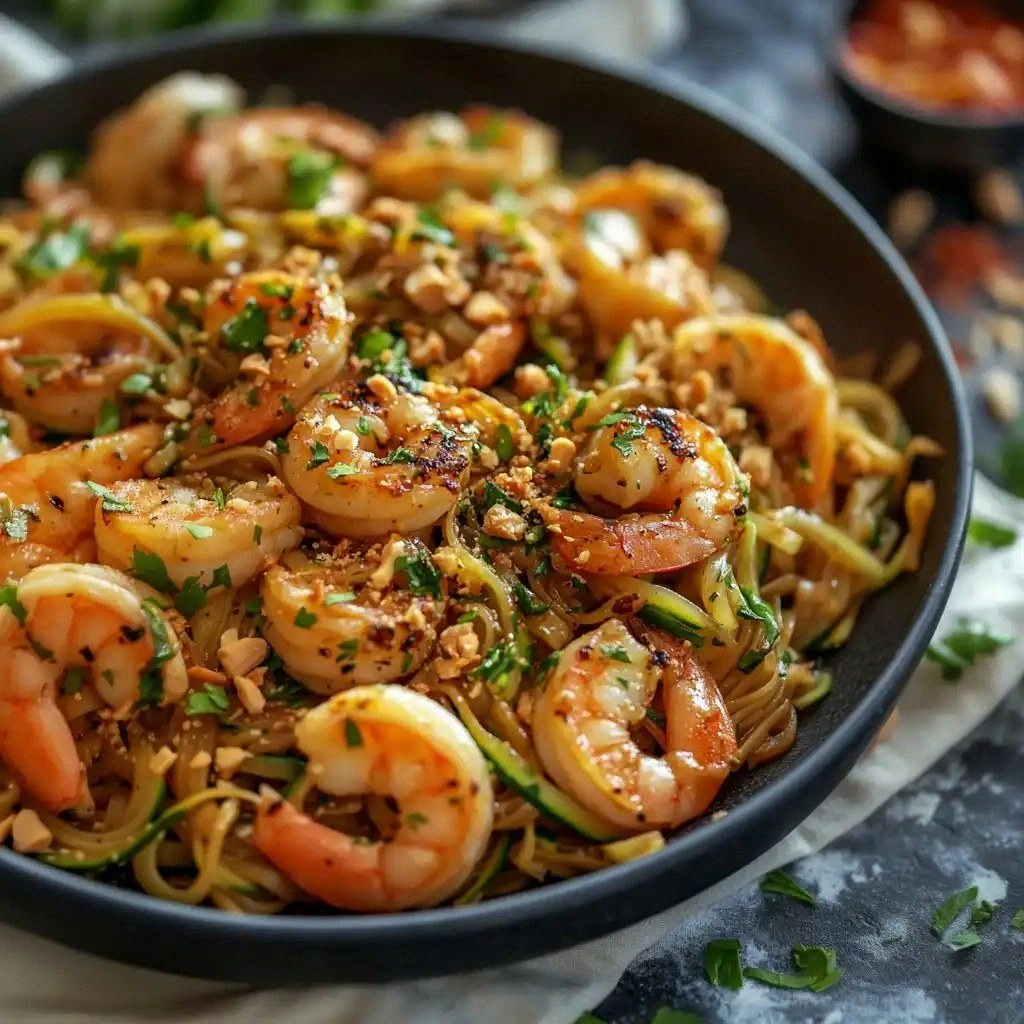
The Method — Step by Step
- Begin by heating a large wok or skillet over medium‑high heat. Add the vegetable oil and swirl to coat the surface. As the oil begins to shimmer, add the minced garlic and sliced green onions, cooking for 30 seconds until fragrant. The garlic should not brown—if it does, lower the heat. This quick sauté builds a flavor foundation for the rest of the dish.
- Next, introduce the shrimp to the pan. Stir‑fry for 2–3 minutes until they start turning pink, then push them to the side of the wok. This step ensures even cooking and prevents the shrimp from over‑cooking. I’ve found that shrimp cook so fast it’s a race against time; keep a close eye.
- Pour in the sauce mixture: tamarind paste, fish sauce, soy sauce, coconut sugar, sriracha, and a splash of water to thin it slightly. Stir vigorously to dissolve the sugar and combine the liquids. The sauce should thicken slightly as it heats, forming a glossy coat that clings to the shrimp.
- Add the eggs, whisked lightly, and scramble them into the sauce. The eggs should coat the shrimp and create a silky texture. This is the moment of truth—if the eggs are overcooked, they’ll become rubbery. Keep them fluffy and quick.
- Introduce the zucchini noodles. Toss them gently into the wok, ensuring they’re evenly coated with sauce. Sauté for 2–3 minutes, just enough to warm the noodles without making them soggy. The key is to keep them bright green and crisp.
- Add the bean sprouts and green onions, tossing everything together. The bean sprouts should pop slightly, adding a fresh crunch. This final stir brings all the components together and ensures a uniform coating.
- Finish by sprinkling crushed peanuts and a pinch of red pepper flakes. Give the dish one last quick toss, then remove it from heat. The peanuts will add a delightful crunch, while the pepper flakes provide a subtle heat that lingers.
- Plate the dish, garnish with fresh cilantro, and serve with lime wedges on the side. The lime should be squeezed just before eating to preserve its bright, zesty flavor. This is the moment when all the aromas, textures, and flavors converge into a harmonious plate.
That’s it—you did it. But hold on, I’ve got a few more tricks that will take this to another level…
Insider Tricks for Flawless Results
The Temperature Rule Nobody Follows
Cooking at the right heat is crucial. Use medium‑high heat to get a good sear on the shrimp and a quick sauté on the zucchini. If the heat is too low, the shrimp will steam instead of sear, losing that desirable caramelized edge. If it’s too high, the sauce will burn. Keep the flame steady, and adjust as needed.
Why Your Nose Knows Best
Smell the sauce as it simmers. The aroma of tamarind should be slightly sweet and sour. If it smells too sharp, add a bit more coconut sugar. If it’s too sweet, a splash of fish sauce will balance it. Your nose is a reliable guide; trust it to tell you when the sauce is ready.
The 5‑Minute Rest That Changes Everything
After cooking, let the dish rest for 5 minutes before plating. This brief pause allows the flavors to meld and the sauce to thicken slightly, ensuring each bite is packed with flavor. I’ve tried plating immediately, and the sauce was still too runny.
The Crunch Factor
Crushed peanuts should be added at the very end to keep their crunch. If you add them too early, they’ll soften. A quick toss just before serving preserves that satisfying bite. You can also sprinkle a few extra crushed peanuts on top for a visual pop.
The Lime Game
Squeeze lime wedges just before eating. The citrus oils evaporate quickly, so the lime should be fresh to provide a bright, zesty finish. If you pre‑squeeze the lime, the flavor will fade and the dish will taste flat.
The Sauce‑to‑Noodle Ratio
If the dish feels dry, add a splash of water or extra sauce. If it’s too watery, reduce the sauce or add a bit more zucchini noodles. The balance is key to a satisfying mouthfeel. I’ve found that 1 cup of zucchini noodles per 4 servings is ideal.
Creative Twists and Variations
This recipe is a playground. Here are some of my favorite ways to switch things up:
Coconut‑Creamy Twist
Replace half the water in the sauce with coconut milk for a richer, creamier texture. This version is perfect for those who love a velvety sauce that coats every noodle.
Veggie‑Only Version
Swap shrimp for a mix of bell peppers, mushrooms, and snow peas. Add tofu for protein. The result is a colorful, plant‑based Pad Thai that still delivers on flavor.
Spicy Peanut Bomb
Increase the amount of crushed peanuts and add a tablespoon of peanut butter to the sauce. This gives a deeper nutty flavor and a thicker consistency.
Herb‑Infused Delight
Add a handful of fresh basil or mint to the final toss for an aromatic lift. The herbs complement the lime and balance the heat.
Protein Swap
Use diced chicken breast or thinly sliced pork instead of shrimp. The cooking time will differ slightly, but the sauce remains the same.
Crunchy Topping Upgrade
Top with a handful of fried shallots or crispy fried onions for an extra layer of crunch and flavor.
Storing and Bringing It Back to Life
Fridge Storage
Store leftover Pad Thai in an airtight container in the refrigerator for up to 2 days. Keep the sauce separate if possible, then combine just before reheating to prevent sogginess.
Freezer Friendly
Freeze the dish in a freezer‑safe container for up to 1 month. Thaw overnight in the refrigerator, then reheat on the stovetop with a splash of water to restore moisture.
Best Reheating Method
Reheat in a skillet over medium heat, adding a tiny splash of water or broth to steam the noodles back to life. Stir constantly to prevent sticking. The quick heat will revive the flavors without overcooking.